Baobab Fare: How Two Refugees Built Detroit's Most Awarded East African Restaurant
How Hamissi Mamba and Nadia Nijimbere turned their refugee experience into Baobab Fare — a three-time James Beard-recognized East African restaurant in Detroit with an expanding ecosystem of sister brands including Waka and Soko.
Author
Cassius Delgado
Category
Brand Spotlights & Hospitality
Read Time
14 min read
Published
August 2026
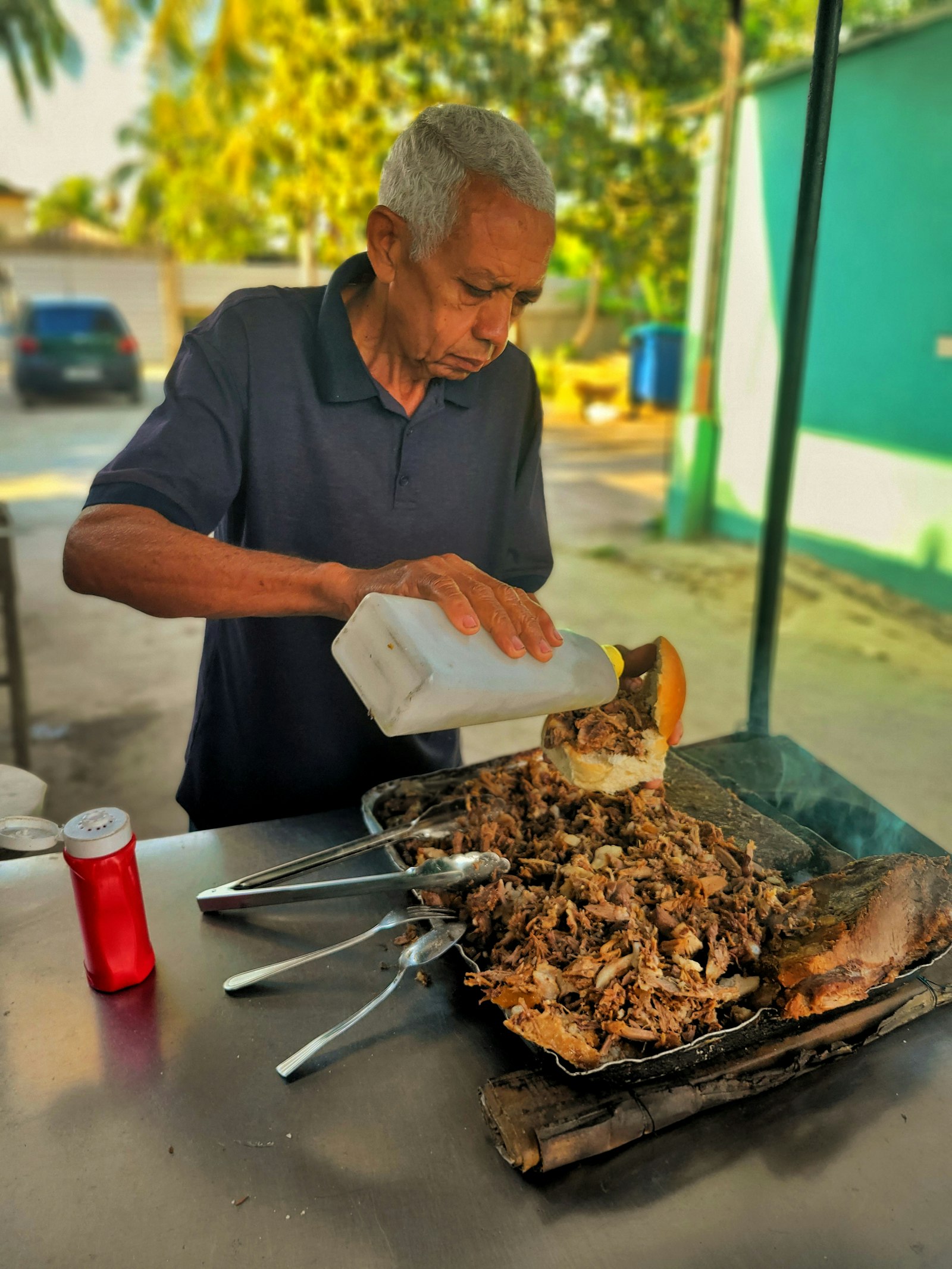
Baobab Fare is not just a restaurant — it is a case study in how immigrant entrepreneurship, cultural authenticity, and culinary excellence can converge to build a brand that earns national recognition. Founded by Hamissi Mamba and Nadia Nijimbere, refugees who resettled in Detroit, Baobab Fare serves 100% halal homestyle East African dishes and has been recognized multiple times by the James Beard Awards as a semifinalist. The brand has since expanded into Waka, a fast-casual street food concept, and Soko, a retail product line featuring coffee, sauces, chocolate, and apparel.
Key Takeaways
- 01Baobab Fare has earned James Beard Award semifinalist recognition three times, placing it among Detroit's most critically acclaimed restaurants.
- 02Founders Hamissi Mamba and Nadia Nijimbere built the brand from their lived refugee experience, creating authentic East African cuisine.
- 03The brand ecosystem has expanded into Waka (fast-casual street food) and Soko (retail products), creating multiple revenue streams.
- 04Waka is opening a permanent storefront in Eastern Market's former Russell Street Deli space in early 2026.
1. From Refugee to Restaurateur: The Origin Story
Hamissi Mamba and Nadia Nijimbere arrived in Detroit as refugees. Rather than assimilating by erasing their cultural identity, they built a brand that celebrates it. Baobab Fare serves the East African food they grew up with — not a diluted, Americanized version — and that authenticity is precisely what earned James Beard recognition.
The restaurant serves 100% halal homestyle dishes, creating a dining experience that is both culturally specific and broadly appealing. This is the paradox of authenticity: the more specific and genuine a brand is, the more universally it resonates.
For Detroit's creative community, this model is instructive. Karma by Design applies a parallel philosophy in visual art — creating collections rooted in specific cultural narratives rather than generic decorative prints, which is what attracts collectors and commercial commissions alike.
“The most globally resonant brands are the most locally specific. Baobab Fare didn't try to be everything to everyone — it chose to be everything to someone.”
2. The Ecosystem Play: Waka and Soko
Baobab Fare's founders understood that a single restaurant location has inherent revenue ceilings. Their response was to build an ecosystem: Waka, a food truck and fast-casual concept bringing East African street food to metro Detroit in a quick, affordable format; and Soko, a retail line of sauces, coffee, beverages, chocolate, jewelry, and apparel that extends the brand into consumers' homes.
Waka is now settling into a permanent storefront in Eastern Market's former Russell Street Deli space — a location with over 30 years of Detroit food history. The expanded menu will feature brochette, chapati flatbread, grilled meat kabobs, and to-go meals, plus Soko retail products.
This multi-brand strategy mirrors how House of Karma structured its ecosystem: rather than operating as a single-service agency, HOK built four divisions — Creative, Studio Escrow, 24North, and Karma by Design — each serving a different market segment while reinforcing the same brand architecture.
3. What Detroit's Hospitality Scene Learns from Baobab Fare
Baobab Fare's success demonstrates that Detroit's dining scene rewards cultural specificity over generic concepts. As the city's restaurant landscape expands — with at least 26 new openings in 2026 alone — the brands that will endure are those rooted in genuine stories, not trend-chasing concepts. Read our Waka by Baobab Fare expansion story.
For restaurant owners and hospitality developers considering art programs for their spaces, Baobab Fare's culturally rich interior design offers a template: artwork and decor should reflect the brand's cultural narrative, not just fill wall space. This is where partnerships with studios like Karma by Design become valuable — creating custom artwork that tells a restaurant's specific story rather than purchasing generic prints.
The Bottom Line
Baobab Fare represents the best of Detroit's entrepreneurial spirit: immigrant founders, cultural authenticity, and a refusal to compromise on identity. By expanding into Waka and Soko, the brand has built an ecosystem that can scale beyond a single restaurant — proving that Detroit's most resilient brands are built on stories that cannot be replicated. Read about Waka's Eastern Market expansion and how custom art elevates hospitality spaces.
Sources & References
- [1]Baobab Fare Official Website
Restaurant overview, sister brands Waka and Soko, and catering services.
- [2]BridgeDetroit: Waka by Baobab Fare Coming to Eastern Market
Expansion of Waka food truck into permanent Eastern Market location.
- [3]Eater Detroit: Detroit Restaurant Openings
Metro Detroit restaurant scene coverage and James Beard recognition.