Beyond Hotel Decor: How Custom Art Can Become Part of the Guest Experience
An authoritative guide on how custom artwork transforms hotel lobbies, guest rooms, and dining spaces into immersive brand experiences.
Author
Cassius Delgado
Category
Hospitality Curation & Architectural Art
Read Time
16 min read
Published
February 2026
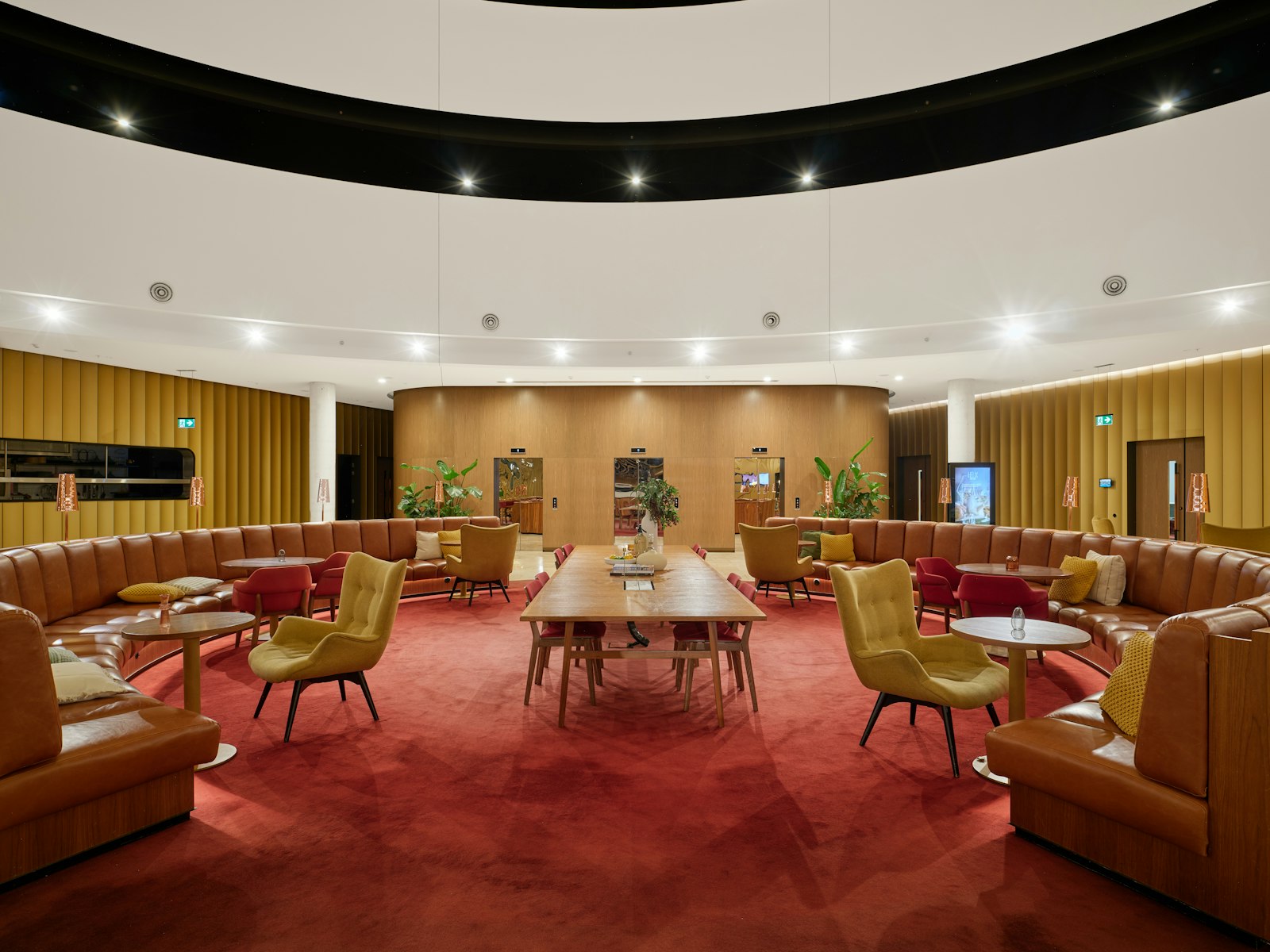
In luxury hospitality, guest expectations have shifted dramatically. Modern travelers no longer want generic landscape prints hung above a headboard; they seek immersive cultural experiences that reflect the soul of a destination. World-class hospitality brands such as The Hoxton, 1 Hotels, Ace Hotel, and Soho House have proven that art is a cornerstone of brand identity. Karma by Design approaches hotel artwork as an active storytelling medium.
Key Takeaways
- 01Custom hotel artwork builds emotional resonance, driving guest social sharing and higher repeat booking rates.
- 02Curated art programs in lobbies, hallways, and guest rooms differentiate boutique properties from standardized hotel chains.
- 03Karma by Design offers trade programs for interior designers, architects, and hospitality developers.
- 04Hypothetical concept studies illustrate how localized artwork connects guests with neighborhood culture.
1. The Psychology of Hospitality Art Curation
From the moment a guest enters a hotel lobby, visual art establishes the acoustic and emotional temperature of the space.
Large-scale statement pieces create immediate camera-worthy moments, encouraging organic organic social media sharing.
In guest rooms, tailored works like Karma by Design's Passport Series or Elements Collection evoke travel nostalgia while maintaining a sense of refined comfort.
“Hotel art shouldn't match the curtains — it should captivate the mind and linger in guest memories long after checkout.”
2. Concept Study: The Fictional Saint Antoine Hotel, Detroit
To illustrate how a custom hotel art program functions, consider a hypothetical concept study for the fictional Saint Antoine Hotel in downtown Detroit. See also our guide on how brands become art.
Imagine a 120-room boutique property commissioning a unified narrative collection: a 10-foot mixed-media statement piece in the lobby celebrating Detroit's jazz and industrial heritage, paired with custom limited-edition prints in every guest room equipped with subtle QR codes allowing guests to purchase framed editions directly via karmaxdesign.com.
This hypothetical model transforms an interior decor expense into an interactive revenue-generating art gallery. Explore the philosophy behind Art with a Purpose.
3. Partnering with Karma by Design Hospitality
Interior designers and developers seeking tailored commercial artwork can access specialized curation services on Karma by Design's Hospitality page, leveraging volume pricing, custom sizing, and white-glove logistics.
The Bottom Line
Art is the silent host of every great hotel. By replacing generic decor with custom, purpose-driven artwork, hospitality properties turn physical walls into unforgettable brand stories. Explore how brands become art and read the Karma by Design brand story.
Sources & References
- [1]Karma by Design Hospitality Curation
Custom commercial art consultation and trade partner pricing.
- [2]House of Karma Hospitality Branding Division
Integrated branding and interior environment alignment.
- [3]Hospitality Design Magazine Industry Trends
Report on art-forward hotel design and guest memory retention.