Waka by Baobab Fare: How an East African Food Truck Became Eastern Market's Most Anticipated Opening
How Waka by Baobab Fare — the fast-casual sister brand of James Beard-recognized Baobab Fare — is transforming from a food truck into a permanent Eastern Market storefront serving East African street food.
Author
Cassius Delgado
Category
Brand Spotlights & Hospitality
Read Time
11 min read
Published
August 2026
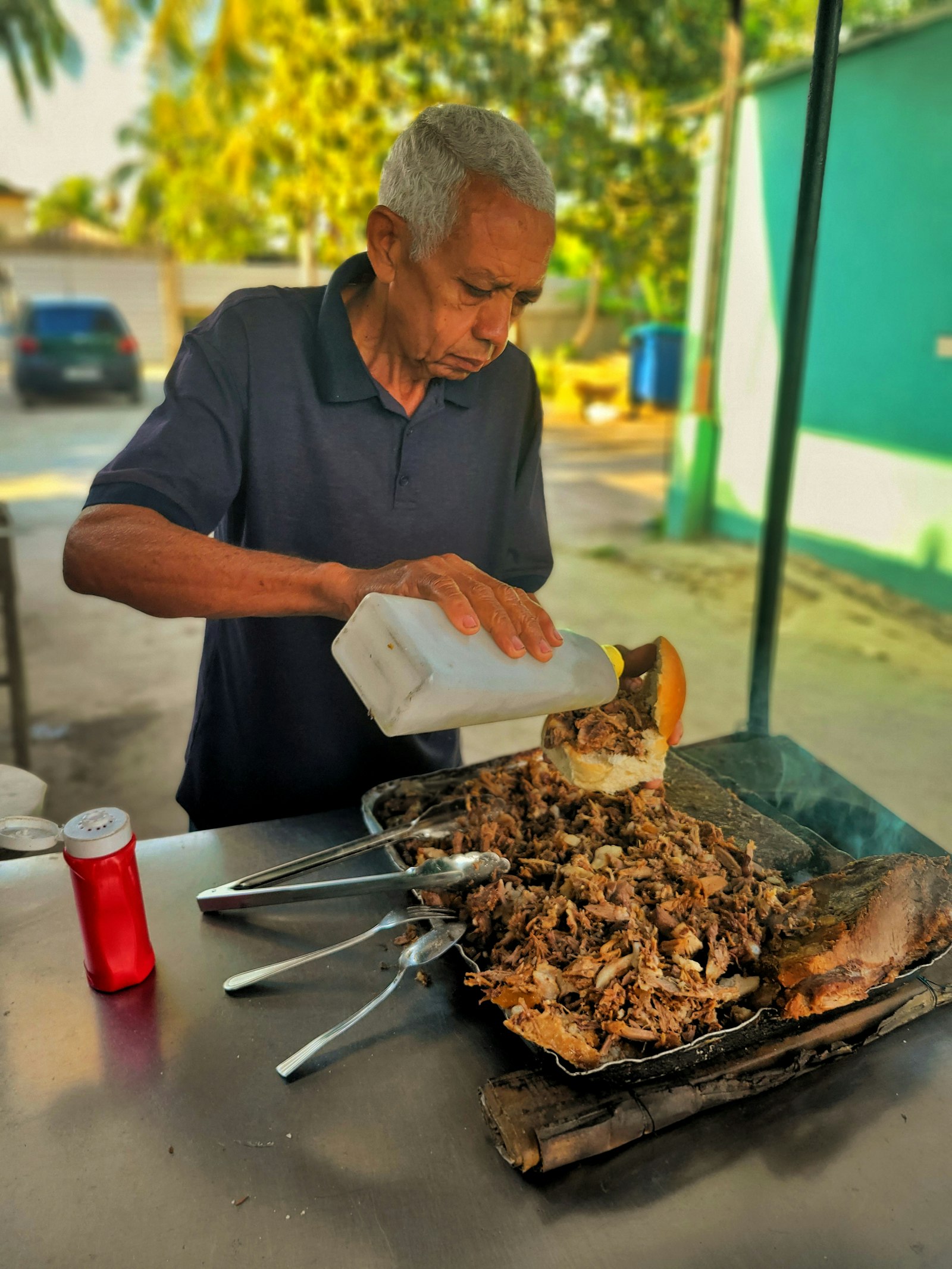
Eastern Market has been Detroit's food destination for over a century. In early 2026, it gains a new anchor: Waka by Baobab Fare, the fast-casual East African street food concept from James Beard Award finalists Hamissi Mamba and Nadia Nijimbere. Waka began as a food truck and catering service, spreading the award-winning flavors of Baobab Fare across metro Detroit in a quick, affordable format. Now it is settling into the former Russell Street Deli space at 2465 Russell Street — a location that served Eastern Market for over 30 years before closing in 2019. The opening represents more than a new restaurant; it is the physical culmination of a brand ecosystem strategy.
Key Takeaways
- 01Waka by Baobab Fare is opening a permanent storefront at 2465 Russell Street in Eastern Market in early 2026.
- 02The concept originated as a food truck and catering service, building brand awareness before securing a brick-and-mortar location.
- 03The menu features brochette, chapati (East African flatbread), grilled meat kabobs, and to-go meals.
- 04The space will also carry Soko retail products including coffee, beverages, and chocolate from the Baobab Fare brand ecosystem.
1. The Food Truck to Storefront Pipeline
Waka's journey from food truck to permanent Eastern Market location is a textbook brand-building strategy. The food truck served as a low-risk proof-of-concept: it tested menu items, built a customer base, and generated media coverage — all without the capital commitment of a brick-and-mortar lease.
By the time Waka secured the Russell Street Deli space, the brand already had established demand, operational experience, and a loyal following. This de-risks the permanent location significantly compared to opening cold.
This phased expansion model is applicable beyond hospitality. Karma by Design built its brand through online collections and custom commissions before expanding into hospitality and commercial art programs — proving demand before committing to larger infrastructure.
“The food truck was never the end goal — it was the research and development phase that made the permanent location viable.”
2. Eastern Market: Why Location Still Matters
Eastern Market is one of Detroit's most trafficked food destinations, drawing weekend visitors from across metro Detroit and beyond. Securing the former Russell Street Deli space — a location with over three decades of embedded customer memory — gives Waka instant historical credibility.
The space will carry Soko retail products alongside the food menu, creating a dual revenue stream: prepared food for immediate consumption and packaged goods for customers to take home. This retail integration transforms a restaurant into a brand showroom.
For brands considering physical retail in Detroit, the lesson is that location selection should account for foot traffic, historical significance, and adjacent brand compatibility. House of Karma applies similar strategic thinking when advising clients on digital presence — ensuring every touchpoint reinforces the brand ecosystem.
3. The Soko Retail Integration: Beyond the Plate
Waka will carry products from Soko by Baobab Fare — the retail line featuring coffee, beverages, chocolate, jewelry, and apparel. This transforms the restaurant from a single-revenue food business into a multi-category brand destination.
Customers who discover Waka through its food can leave with East African coffee beans, chocolate, or branded apparel — extending the brand relationship beyond the meal. This is the same ecosystem thinking that powers successful Detroit brands across categories: create multiple touchpoints so customers can engage with your brand in different contexts and price points.
The Bottom Line
Waka by Baobab Fare represents the maturation of Detroit's immigrant-founded food brands. By using a food truck to prove demand, securing a historic Eastern Market location, and integrating Soko retail products into the storefront, Hamissi Mamba and Nadia Nijimbere have built not just a restaurant — but a scalable brand ecosystem rooted in East African culture and Detroit's most iconic food district. Read the Baobab Fare origin story and explore how custom art elevates hospitality.
Sources & References
- [1]Baobab Fare Official: Waka Sister Brand
Waka concept overview, menu, and Eastern Market location details.
- [2]BridgeDetroit: Waka by Baobab Fare Coming to Eastern Market
Announcement of permanent Eastern Market location in former Russell Street Deli space.
- [3]Hour Detroit: Metro Detroit Restaurants 2026
Waka listed among most anticipated 2026 restaurant openings.