Balam Coffee & Wine: How a Mexican-Inspired Café Is Redefining Ferndale's Day-to-Night Scene
How sibling restaurateurs Sandra Haro and José Granados launched Balam Coffee & Wine — a Mexican-inspired coffee shop and wine bar in Ferndale that transitions from morning café to evening wine destination.
Author
Priya Nandakumar
Category
Brand Spotlights & Hospitality
Read Time
10 min read
Published
August 2026
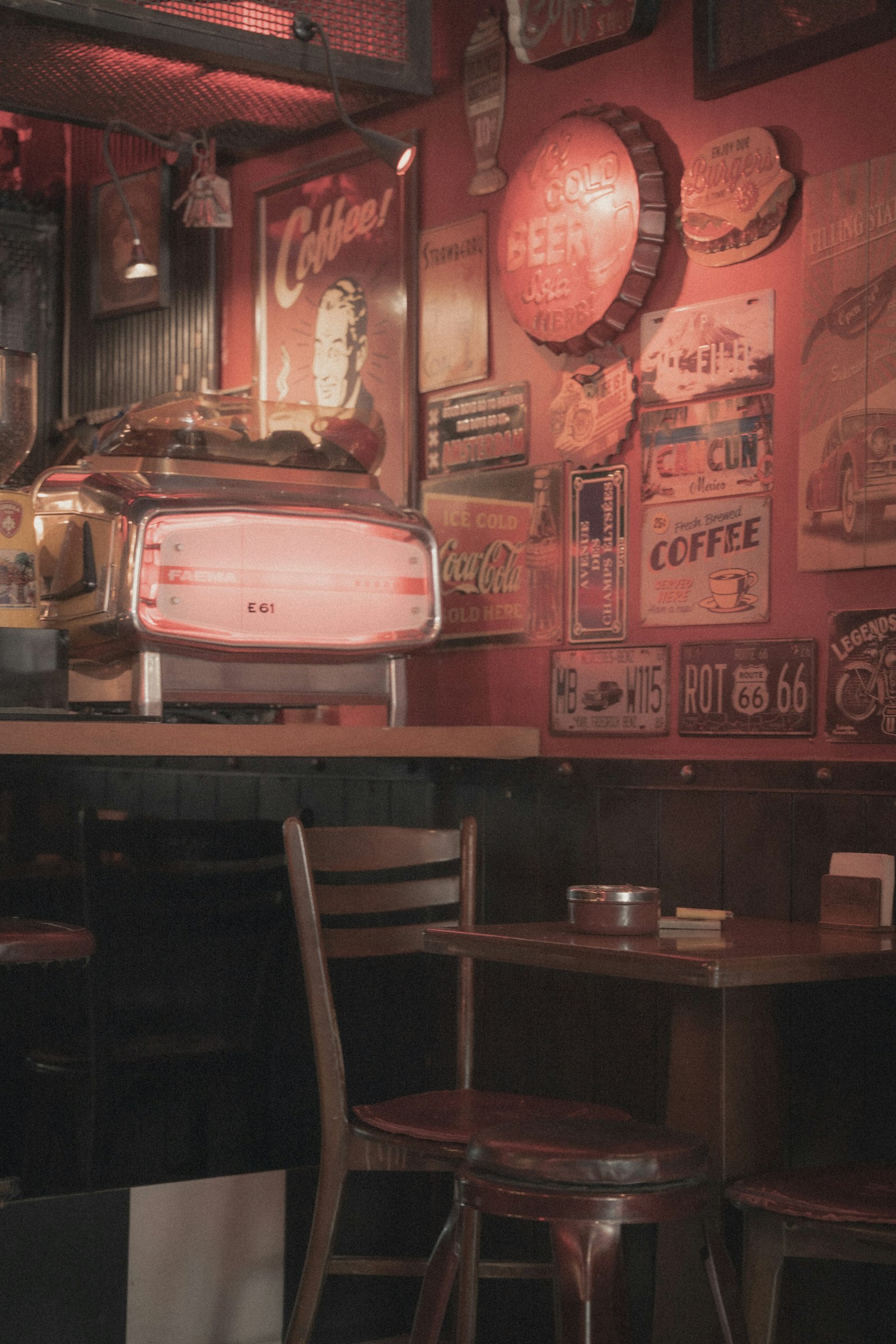
Balam Coffee & Wine, opened in March 2026 at 207 E. Nine Mile Road in Ferndale, is a concept that defies easy categorization. By day, it is a Mexican-inspired coffee shop serving cortados, cold brew, fresh juices, and Latin American pastries. By evening, it transforms into a wine bar featuring bottles sourced from Argentina, Chile, and Mexico. Founded by sibling restaurateurs Sandra Haro and José Granados — the team behind Ferndale's Mezcal — Balam (the Mayan word for jaguar) represents a growing trend in Metro Detroit hospitality: the day-to-night venue that maximizes revenue per square foot by serving two distinct customer segments from the same physical space. Explore how custom art can elevate hospitality spaces.
Key Takeaways
- 01Balam Coffee & Wine opened in March 2026 at 207 E. Nine Mile Road in Ferndale, MI.
- 02The concept combines a Mexican-inspired coffee shop by day with a Latin American wine bar by evening.
- 03Founders Sandra Haro and José Granados also operate Mezcal in Ferndale, leveraging existing brand equity.
- 04The menu features Mexican coffee, empanadas, churros, salads, wraps, and Pan de Muertos alongside Latin American wines.
1. The Day-to-Night Model: Doubling Revenue Per Square Foot
Traditional cafes operate from 7 AM to 3 PM. Traditional wine bars operate from 5 PM to midnight. Balam occupies both time slots from the same 30-seat space, effectively doubling its potential revenue per square foot without doubling its rent.
This model requires careful operational design: the coffee program needs espresso equipment, milk steaming, and pastry display; the wine program needs temperature-controlled storage, glassware, and a different ambiance. Balam bridges this with design choices that work for both — warm terracotta tones, Latin American art, and flexible seating.
For Detroit-area hospitality brands considering similar concepts, the interior design must serve both day and night contexts. This is where custom artwork from studios like Karma by Design becomes valuable — pieces that read as warm and inviting under morning light while feeling sophisticated under evening lighting create a seamless transition.
“The day-to-night model is not about staying open longer — it is about designing a space that serves two completely different customer experiences from the same four walls.”
2. Leveraging Sibling Brand Equity: The Mezcal Connection
Sandra Haro and José Granados are not first-time operators. Their existing restaurant, Mezcal, has established brand equity in Ferndale's dining scene. Balam benefits from this in two ways: existing customer awareness and operational experience.
This sibling-brand strategy is powerful because it reduces customer acquisition cost. Ferndale diners who know and trust Mezcal are predisposed to try Balam — the founders' reputation serves as a marketing channel that no ad spend can replicate.
House of Karma applies a similar multi-brand approach across its ecosystem, where each division — Creative, Studio Escrow, 24North, and Karma by Design — reinforces the others, creating a network effect that single-brand competitors cannot match.
3. The Hidden Speakeasy: Experiential Design as Marketing
Balam's 30-seat capacity includes a hidden speakeasy — a design choice that transforms the venue from a coffee shop and wine bar into a destination with a secret. This experiential layer generates word-of-mouth marketing that no paid campaign can replicate.
In an era where social media sharing drives hospitality discovery, a hidden room creates organic content opportunities: guests photograph the entrance, share the discovery, and become brand ambassadors. This is experiential design functioning as marketing infrastructure.
The Bottom Line
Balam Coffee & Wine represents the next generation of Metro Detroit hospitality: multi-revenue, culturally specific, and experientially designed. By combining a day-to-night operating model with sibling-brand equity and a hidden speakeasy, Sandra Haro and José Granados have created a concept that maximizes every square foot of their Ferndale space — and given Detroit's competitive restaurant market another reason to visit Nine Mile Road. Explore how brands become art and House of Karma's ecosystem approach.
Sources & References
- [1]Balam Coffee & Wine Official Website
Menu, location, hours, and online ordering for the Ferndale cafe.
- [2]Hour Detroit: Balam Coffee & Wine Details
Opening date, concept overview, and founder background.
- [3]Hour Detroit: Metro Detroit Restaurants on Our Radar for 2026
Balam Café listed among the most anticipated 2026 openings.