Avalon International Breads: How a Detroit Bakery Built 27 Years of Brand Loyalty on a Triple Bottom Line
Founded in 1997 in Detroit's Cass Corridor, Avalon International Breads turned a triple-bottom-line philosophy — Earth, Community, Employees — into one of the city's most enduring and beloved food brands.
Author
Cassius Delgado
Category
Brand Spotlights & Cultural Identity
Read Time
11 min read
Published
March 12, 2025
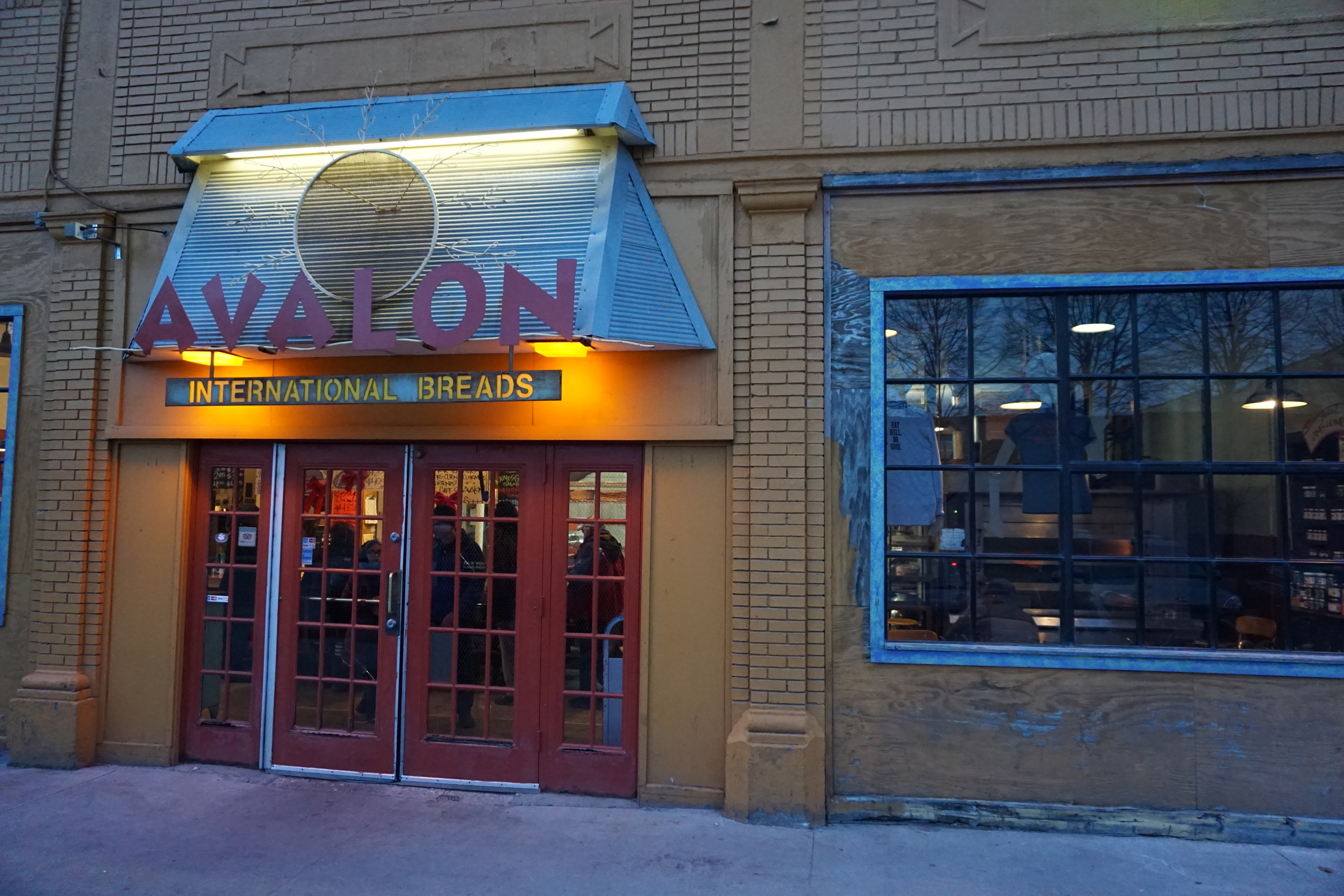
Avalon International Breads is a Detroit bakery founded in June 1997 by Ann Perrault and Jackie Victor in the city's Midtown, then Cass Corridor, neighborhood. From a single hearthstone oven on West Willis, the bakery grew into a multi-location brand built on an unusual commercial framework: a triple bottom line of Earth, Community, and Employees. Nearly three decades later, Avalon remains one of Detroit's most recognizable food brands, credited with helping anchor the revitalization of Midtown and expanding to a full-service Woodward Cafe. Its marketing is not loud, yet its brand equity is extraordinary — a case study in how mission-driven positioning, transparency, and community integration can outperform conventional advertising over a long horizon.
Key Takeaways
- 01Avalon International Breads was founded in June 1997 by Ann Perrault and Jackie Victor in Detroit's Cass Corridor.
- 02The bakery operates on a triple bottom line: Earth, Community, Employees — a mission that predates the modern 'purpose-driven brand' trend by decades.
- 03Avalon expanded from a single Willis location to a full-service Woodward Cafe and an eastside manufacturing facility, distributing through grocery partners across Metro Detroit.
- 04Its marketing relies on transparency, community integration, and product quality rather than paid campaigns — a model that has produced decades of loyalty.
- 05The brand's longevity demonstrates how a clear founding philosophy can function as a durable competitive advantage in a crowded food category.
The Founding: A Hearthstone Oven and a James Boggs Quote
When Ann Perrault and Jackie Victor pulled the first crusty loaves from their hearthstone oven at 422 West Willis in June 1997, the mission was already defined. The co-founders were inspired by the words of Detroit activist and philosopher James Boggs: 'Don't wait for the man to give you a job. Build your own bikes, fix your own shoes, bake your own bread.' That quote became more than inspiration — it became the operating thesis of a business designed to serve three stakeholders simultaneously: the planet, the surrounding community, and the people who worked there.
This was a radical proposition in 1997, long before triple-bottom-line frameworks entered mainstream business vocabulary. Avalon committed to organic ingredients, fair labor practices, and a community-first footprint from day one. The bakery's origin story is itself a marketing asset: every loaf carries the weight of a founding philosophy that customers can verify by walking through the door. For a deeper look at how Detroit brands turn local identity into national attention, Avalon is a foundational reference point.
“We set out to build a hearth for the community where people could be inspired to eat well and do good.”
The Triple Bottom Line as a Brand Architecture
Most food brands build identity around a product. Avalon built its identity around a framework: Earth, Community, Employees. This triple bottom line is not a CSR add-on — it is the brand's architecture. Earth translates to organic sourcing and sustainable operations. Community translates to anchoring a neighborhood and creating a gathering space. Employees translates to fair wages and ownership culture.
This structure gives Avalon something most competitors lack: a brand that is internally consistent. Every operational decision can be evaluated against three clear criteria, and customers who care about any one of those pillars have a reason to choose Avalon. The result is a loyalty that does not require discounting or aggressive promotion. Detroit Brand Lab notes that this is the same principle behind purpose-driven social enterprise branding — the mission is the moat.
Expansion Without Dilution
Growth is where most mission-driven brands stumble. Avalon expanded from the original Willis location into a larger eastside manufacturing space, opened a full-service Woodward Cafe at 1049 Woodward Avenue, and built a wholesale distribution network that places its breads and cookies in grocery stores across Metro Detroit and Ann Arbor. The risk in such expansion is that scale erodes the handcrafted, community-rooted identity that made the brand beloved.
Avalon mitigated this by keeping the triple-bottom-line framework as the connective tissue across every location and channel. A customer buying an Avalon cookie at a grocery store is buying the same product philosophy as someone sitting in the Woodward Cafe. The brand's local visibility strategy — consistent name, address, and product information across locations — also supports multi-location discovery without fragmenting identity.
Why the Marketing Works Without Being Loud
Avalon does not run national campaigns. It does not rely on celebrity endorsements. Its marketing is built on three quiet but powerful engines: product transparency, community presence, and word-of-mouth. The bakery's famous chocolate chunk cookies — topped with flake sea salt and voted best cookie in Michigan by Yelp — are a product that markets itself through quality and consistency. Daily promotions like Muffin Monday and Wake Up Wednesday create rhythm and ritual without discounting the brand's premium positioning.
The lesson for Metro Detroit businesses is that brand equity can compound quietly when the operating model and the marketing message are identical. Avalon never has to claim it cares about community — its founding structure proves it. That authenticity is the single hardest marketing asset to fabricate, and the easiest to lose.
“A brand built on a triple bottom line does not need to shout about its values. The structure does the talking.”
What Other Detroit Businesses Can Learn
Avalon's 27-year trajectory offers a replicable framework: define a founding philosophy that is specific, verifiable, and operational — not a slogan. Build the brand architecture around that philosophy so every location, product, and channel reinforces it. Expand only when the philosophy can survive the expansion. And let product quality carry the marketing load, supported by community presence rather than paid volume.
For businesses seeking to build this kind of durable brand, the combination of clear positioning, consistent local visibility, and a CRM system that captures and nurtures community relationships is what turns a single-location operation into a multi-channel brand. Detroit-based House of Karma builds exactly these systems — connecting brand identity, websites, local SEO, and CRM automation into a single growth infrastructure.
Frequently Asked Questions About Avalon International Breads
**When was Avalon International Breads founded?** Avalon International Breads was founded in June 1997 by Ann Perrault and Jackie Victor in Detroit's Cass Corridor, now Midtown, neighborhood.
**What is Avalon's triple bottom line?** Avalon operates on a triple bottom line of Earth, Community, and Employees — a framework that prioritizes environmental sustainability, community anchoring, and fair labor alongside financial performance.
**Where are Avalon's locations?** Avalon operates the original Willis location and a full-service Woodward Cafe at 1049 Woodward Avenue in downtown Detroit, with an eastside manufacturing facility supporting wholesale distribution across Metro Detroit and Ann Arbor.
**Does Avalon sell its products in grocery stores?** Yes. Avalon distributes its breads, rolls, cookies, and pastries through grocery partners across Michigan, in addition to its cafe locations.
**What is Avalon's most famous product?** Avalon's chocolate chunk cookies, topped with flake sea salt, were voted best cookie in Michigan by Yelp and remain one of the bakery's signature items.
The Bottom Line
Avalon International Breads is proof that a brand built on a verifiable founding philosophy can outlast trends, survive expansion, and earn loyalty that paid media cannot buy. For 27 years, the triple bottom line of Earth, Community, and Employees has functioned as both an operating model and a marketing engine — one that requires no exaggeration because the structure speaks for itself. Metro Detroit businesses studying Avalon's longevity should remember that the most durable brand asset is not a logo or a campaign, but a founding principle that every decision can be measured against. Explore the bakery at avalonbakeryandcafe.com, and read more about how Detroit brands turn local identity into lasting equity.
Sources & References
- [1]Avalon International Breads — Official Website
Official storefront, cafe locations, history, and rewards portal.
- [2]Avalon International Breads — Wikipedia
Encyclopedic record of founding date, founders, and product categories.
- [3]Avalon Bakery & Cafe — Our Story
Firsthand account of the bakery's origin and triple-bottom-line mission.