Sister Pie: How a Detroit West Village Bakery Turned Seasonal Pies and Community Storytelling Into a National Brand
From a 40-pie Thanksgiving launch in a Milford kitchen to a nationally recognized West Village corner bakery, Sister Pie built its brand on seasonal sourcing, community storytelling, and a cookbook that amplified its reach far beyond Detroit.
Author
Priya Nandakumar
Category
Brand Spotlights & Cultural Identity
Read Time
10 min read
Published
October 8, 2025
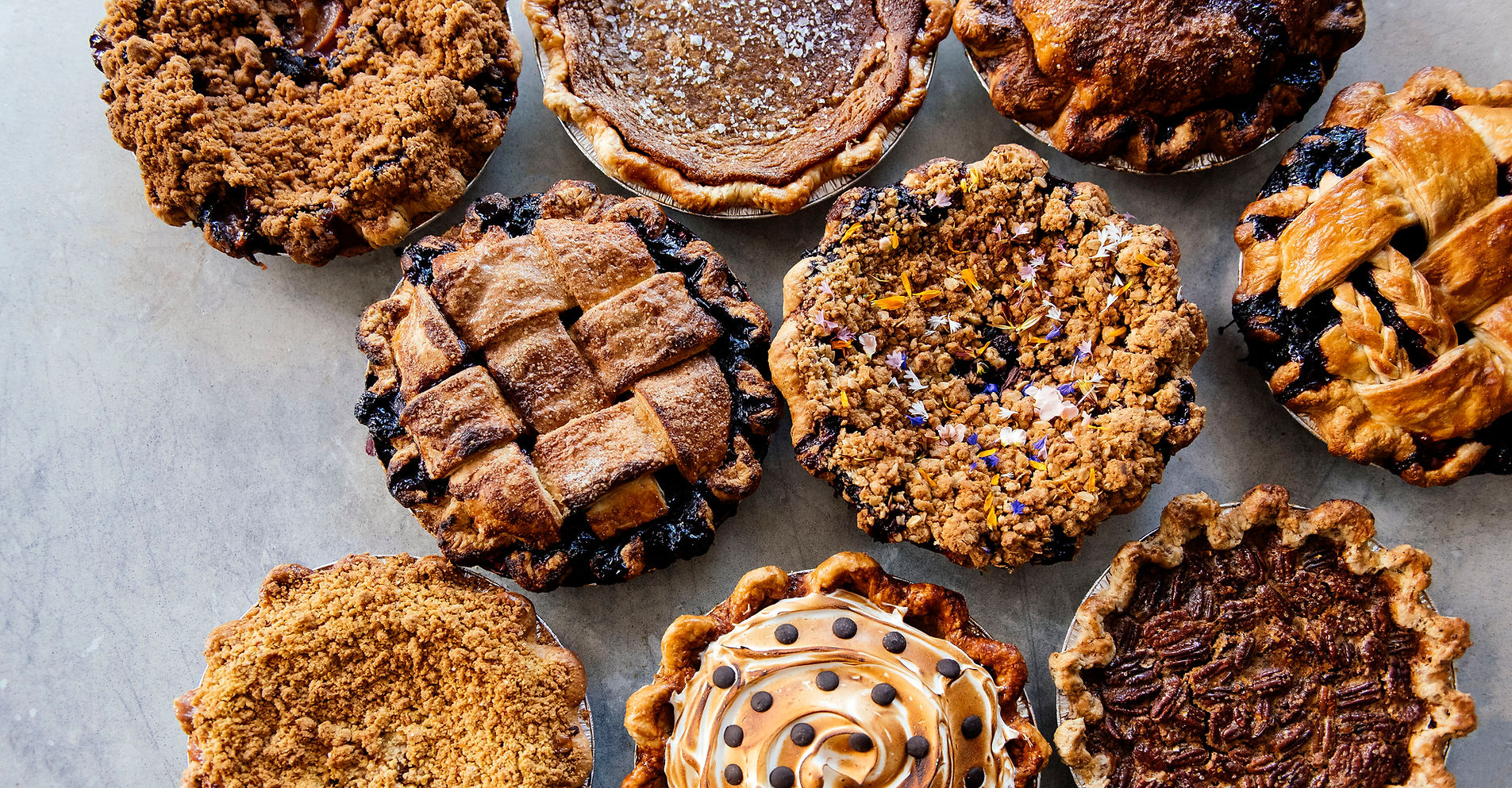
Sister Pie is a corner bakery in Detroit's West Village, founded by Lisa Ludwinski in 2012 as a Thanksgiving pie project out of her parents' Milford kitchen. What began with 40 pies has grown into a nationally recognized brand known for seasonal, Michigan-sourced flavor combinations, hand-rolled dough, and a community-first ethos. The bakery opened its permanent Kercheval Avenue location on April 24, 2015, to a line out the door, and has since earned national press, a cookbook deal with Ten Speed Press, and a reputation as one of Detroit's most distinctive food brands. Its marketing is a masterclass in how specificity — seasonal menus, a named neighborhood, a founder story — creates discoverability that generic branding cannot.
Key Takeaways
- 01Sister Pie was founded by Lisa Ludwinski in 2012, launching with 40 pies sold from her parents' Milford kitchen on Thanksgiving.
- 02The permanent West Village bakery opened on April 24, 2015, after a $26,593 community-funded buildout.
- 03The brand built national reach through seasonal Michigan sourcing, a Ten Speed Press cookbook, and earned media rather than paid campaigns.
- 04Sister Pie's marketing leverages specificity — named neighborhood, seasonal menus, founder story — as a discoverability strategy.
- 05The bakery's community-funded origin and educational pie dough classes reinforce a brand built on participation, not just transactions.
From 40 Pies to a Corner Bakery
Lisa Ludwinski launched Sister Pie in the fall of 2012 with 40 pies baked in her parents' Milford kitchen and sold on Thanksgiving. In 2013, she enrolled in the d:hive Build business class (now Build Institute), joined FoodLab Detroit, and continued selling pies and cookies via email blasts to family and friends. After a year in a shared commercial kitchen at Hannan House on Woodward, the operation moved toward a permanent home.
The buildout of the Parker and Kercheval corner shop was a community effort — friends and family joined 'Future Sister Pie workdays' to demolish walls and strip wallpaper. A crowdfunding campaign raised $26,593. Sister Pie opened on April 24, 2015, to a line out the door and a dozen new employees. This origin story is not incidental to the brand — it is the brand. Customers who learn that the bakery was literally built by its community have a reason to feel invested. For more on how Detroit restaurant brands use storytelling, Sister Pie is an essential case study.
“We opened to a line out the door and a dozen new employees, and we've been hustling ever since.”
Seasonal Sourcing as a Brand Strategy
Sister Pie's menu is nontraditional in flavor combinations, rustic in execution, and constantly changing to honor the local agriculture of Michigan. This is not a culinary preference dressed up as marketing — it is a deliberate brand architecture. Seasonal menus give the bakery a reason to communicate with customers continuously: new flavors, new availability, new reasons to visit. The salted maple pie, the signature, gives the brand a single ownable product that press and customers can reference.
For Metro Detroit businesses, the lesson is that constraints create content. A fixed menu has nothing new to say. A seasonal, Michigan-sourced menu generates a natural content calendar, local SEO relevance, and press angles that a static offering cannot. This approach compounds with strong local visibility — every seasonal update is a fresh discovery opportunity.
The Cookbook as a Brand Multiplier
In 2016, Lisa Ludwinski was approached by Ten Speed Press to write a cookbook. That book extended Sister Pie's brand far beyond the physical bakery, giving the brand a national audience that could engage with its recipes, philosophy, and story without ever visiting Detroit. A cookbook is a long-tail marketing asset — it sells for years, earns press on launch, and positions the founder as an authority.
Detroit Brand Lab notes that this is a pattern visible across Detroit brands that achieve national attention: a locally rooted product paired with a content asset (a book, a documentary, a national feature) that carries the local story to a wider audience. The cookbook did not replace the bakery — it amplified it.
Community as a Growth Engine
Sister Pie's growth was funded in part by its own community — the $26,593 crowdfunding campaign turned customers into stakeholders before the bakery even opened. The bakery later added pie dough classes, turning its expertise into an educational product that deepens customer relationships and generates additional revenue. These are not side projects; they are brand-building mechanisms that create participation rather than passive consumption.
The lesson is that community is not just an audience — it is infrastructure. Businesses that give their customers ways to participate (funding, classes, events, feedback) build loyalty that transactional competitors cannot replicate. For businesses looking to systematize this kind of community engagement, House of Karma builds CRM and automation systems that capture, segment, and nurture these relationships at scale.
“Sister Pie aims to celebrate the seasons through pie; to provide consistently delicious, thoughtful, and inventive food; to foster a welcoming environment.”
Frequently Asked Questions About Sister Pie
**Who founded Sister Pie?** Sister Pie was founded by Lisa Ludwinski, who launched the brand in 2012 with 40 pies sold from her parents' kitchen on Thanksgiving.
**Where is Sister Pie located?** Sister Pie is located on Kercheval Avenue in Detroit's West Village neighborhood on the east side of the city.
**What is Sister Pie's signature item?** The salted maple pie is Sister Pie's signature, known for its buttery, hand-crimped crust and seasonal flavor profile.
**Does Sister Pie have a cookbook?** Yes. Founder Lisa Ludwinski wrote a cookbook published by Ten Speed Press, which extended the brand's reach nationally.
**Does Sister Pie offer classes?** Yes. Sister Pie offers pie dough classes for home bakers, turning its expertise into an educational product and community engagement tool.
The Bottom Line
Sister Pie demonstrates that a brand built on specificity — a named neighborhood, a seasonal menu, a founder story, a community-funded origin — can achieve national reach without abandoning its local roots. The cookbook, the classes, and the seasonal content calendar are all extensions of a single principle: give people something specific to talk about, and they will. For Detroit businesses seeking to build the same kind of discoverable, community-rooted brand, the combination of clear positioning, local SEO, and a CRM system that nurtures customer relationships is the infrastructure that turns a corner bakery into a national name. Explore Sister Pie at sisterpie.com and read more about how Detroit brands turn local identity into national attention.
Sources & References
- [1]Sister Pie — About
Official founding story, timeline, and mission statement.
- [2]Sister Pie — Official Website
Official storefront, menu, and class offerings.
- [3]Detroit Free Press — Sister Pie owner talks recipes from cookbook
Reporting on founder Lisa Ludwinski and the bakery's cookbook.