Bon Bon Bon: How a Detroit Chocolatier Built a Brand on Wordplay and Craft
Bon Bon Bon turned $32,000 and a Hamtramck workshop into a nationally recognized Detroit chocolate brand. Here's how naming, craft, and personality drive their marketing.
Author
Priya Nandakumar
Category
Brand Spotlights & Cultural Engineering
Read Time
10 min read
Published
July 30, 2026
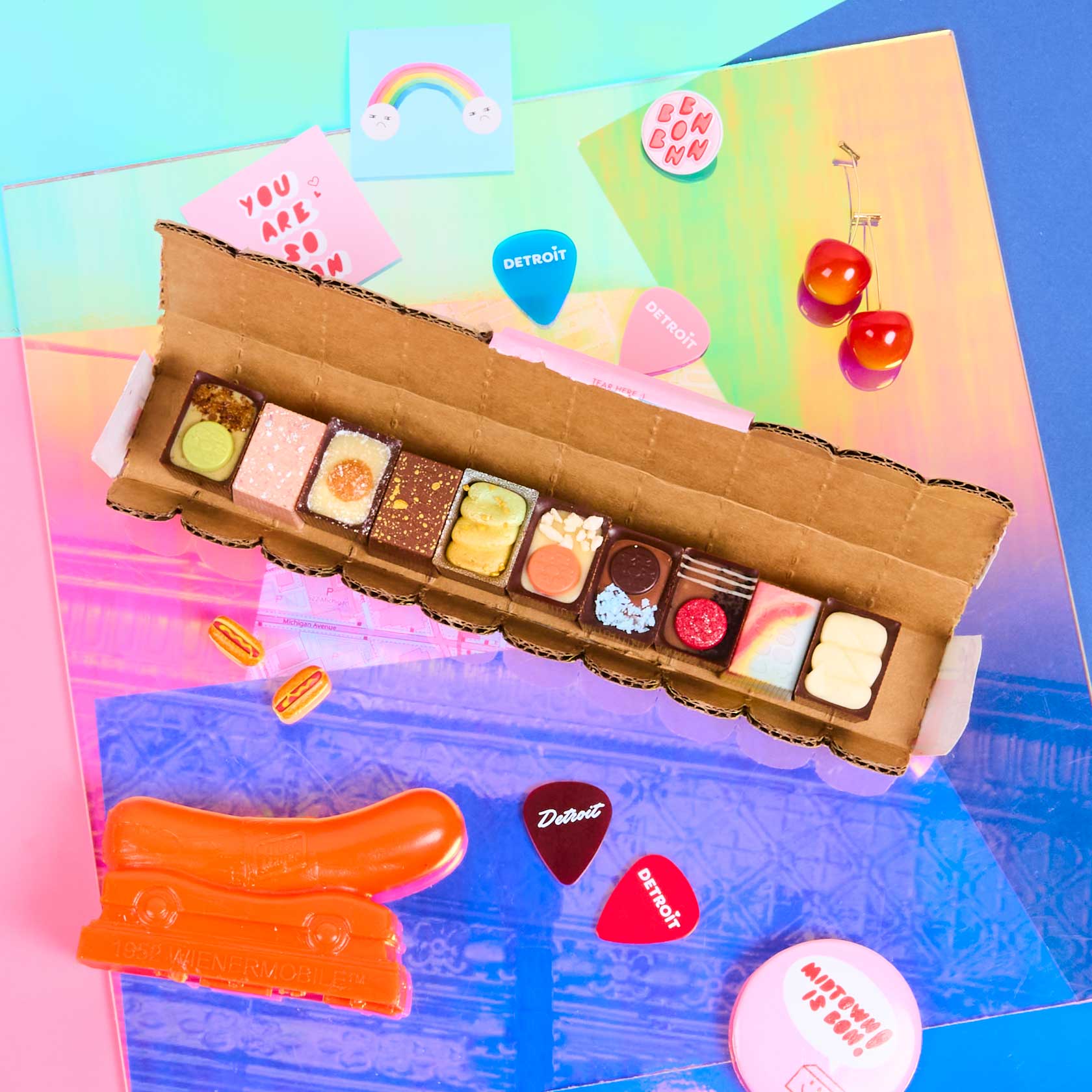
Bon Bon Bon is a Detroit artisan chocolate brand that turned $32,000 and a Hamtramck workshop into a Forbes 30 Under 30 feature and a nationally recognized name. Founded by Alexandra Clark, the brand makes handcrafted bonbons — 'bon bon bon' means 'good good good' — with a personality-driven marketing approach that makes craft chocolate feel accessible rather than intimidating. This article examines how naming, craft storytelling, and brand personality drive Bon Bon Bon's marketing.
Key Takeaways
- 01Bon Bon Bon's triple-repeated name is a branding decision — it is memorable, playful, and inherently shareable.
- 02The brand's 'good good good' philosophy connects product quality to brand personality in a single phrase.
- 03Founder Alexandra Clark's Forbes 30 Under 30 recognition gave the brand national credibility early.
- 04Bon Bon Bon maintains a strong social presence across Instagram, TikTok, Pinterest, and YouTube.
- 05The marketing lesson: naming is a marketing investment, and personality differentiates craft brands.
The Name Is the Marketing
Bon Bon Bon's name is its most powerful marketing asset. The triple repetition is memorable, playful, and inherently shareable — it invites repetition and conversation. The brand explains that 'bon' means 'good,' so 'bon bon bon' means 'good good good' — sincerely good chocolate.
This naming strategy does three things: it is distinctive in a crowded chocolate market, it communicates quality through repetition, and it creates a brand personality that feels approachable rather than pretentious. The brand's official website is BonBonBon.com and its Instagram is @bonbonbonchocolate.
“A name that people want to repeat is a name that markets itself.”
Craft Storytelling Without Pretension
Bon Bon Bon makes craft chocolate, but the brand avoids the pretension that often accompanies artisan food marketing. In a Detroit PBS interview, founder Alexandra Clark explained that chocolate was the only thing she was ever passionate about, and she approached it as a medium for conveying flavor and creating experiences.
The brand's content shows the chocolate-making process — the workshop, the flavors, the craft — without making it feel exclusive. This accessibility is key: craft brands often alienate customers by making the product feel too rarefied. Bon Bon Bon makes craft feel inviting.
Founder Story as National Credibility
Alexandra Clark's Forbes 30 Under 30 recognition gave Bon Bon Bon national credibility early in the brand's life. The feature highlighted how she turned $32,000 into a growing business — a narrative that resonates with entrepreneurs and consumers alike.
Founder stories are marketing assets when they are authentic. Clark's story — a chocolatier who started with one tiny shop in Hamtramck, where neighbors knocked on the door asking to buy chocolate — is genuinely compelling and has been covered by Forbes, Detroit PBS, and other outlets.
Multi-Platform Social Presence
Bon Bon Bon maintains an active presence across Instagram, TikTok, Pinterest, YouTube, Facebook, Twitter, and LinkedIn. This multi-platform approach ensures the brand reaches different audiences — TikTok for younger consumers, Pinterest for gift-seekers, LinkedIn for B2B and corporate gifting.
The brand also offers a rewards program ('Sign in for Sweet Rewards') and free ground shipping on orders over $100 — standard e-commerce tactics that are well-executed and consistent with the brand's accessible personality.
What Craft Brands Can Learn
Bon Bon Bon teaches three lessons for craft brand marketing. First, invest in naming — a name that people want to repeat is a marketing engine. Second, make craft accessible rather than pretentious — show the process without making it feel exclusive. Third, use founder stories for national credibility, but keep them authentic.
Detroit brands looking to build distinctive craft marketing systems can explore how local identity drives national attention or connect with House of Karma for brand strategy and digital infrastructure.
Frequently Asked Questions About Bon Bon Bon
**What is Bon Bon Bon?** Bon Bon Bon is a Detroit-based artisan chocolate brand founded by Alexandra Clark, known for handcrafted bonbons. The name means 'good good good.'
**Where is Bon Bon Bon located?** Bon Bon Bon is based in Hamtramck, Michigan, within the Detroit metro area. The brand started with a small workshop and has grown into a nationally recognized chocolate company.
**Who founded Bon Bon Bon?** Bon Bon Bon was founded by Alexandra Clark, a chocolatier who was featured in Forbes 30 Under 30 for building the business from a $32,000 investment.
**Does Bon Bon Bon ship nationally?** Yes, Bon Bon Bon offers free ground shipping on orders over $100 through their website at BonBonBon.com.
**Where can I follow Bon Bon Bon?** Bon Bon Bon's Instagram is @bonbonbonchocolate, Facebook is facebook.com/bonbonbonchocolate, and TikTok is @bonbonbonchocolate.
The Bottom Line
Bon Bon Bon demonstrates how a Detroit craft brand builds national recognition through naming, accessible craft storytelling, and founder credibility. The brand's triple-repeated name, 'good good good' philosophy, and multi-platform social presence show how personality differentiates craft products in a crowded market. For Detroit brands seeking to build distinctive marketing systems, explore House of Karma and how Detroit brands turn local identity into national attention.
Sources & References
- [1]Bon Bon Bon — Official Website
Detroit-based artisan chocolate brand founded by Alexandra Clark.
- [2]Bon Bon Bon — Instagram @bonbonbonchocolate
Official Instagram account.
- [3]Bon Bon Bon — Facebook
Official Facebook page.
- [4]Forbes — Bon Bon Bon Founder Profile
Forbes 30 Under 30 coverage of founder Alexandra Clark.
- [5]Detroit PBS — Bon Bon Bon Interview
Video interview at the Bon Bon Bon workshop in Hamtramck.