Baobab Fare: How a Detroit East African Restaurant Built a Brand on Community, Story, and Welcome
How Baobab Fare uses founder storytelling, East African cuisine, a welcoming physical space, and community-rooted marketing to build one of Detroit's most distinctive restaurant brands.
Author
Terrell Okafor
Category
Brand Spotlights
Read Time
10 min read
Published
August 24, 2026
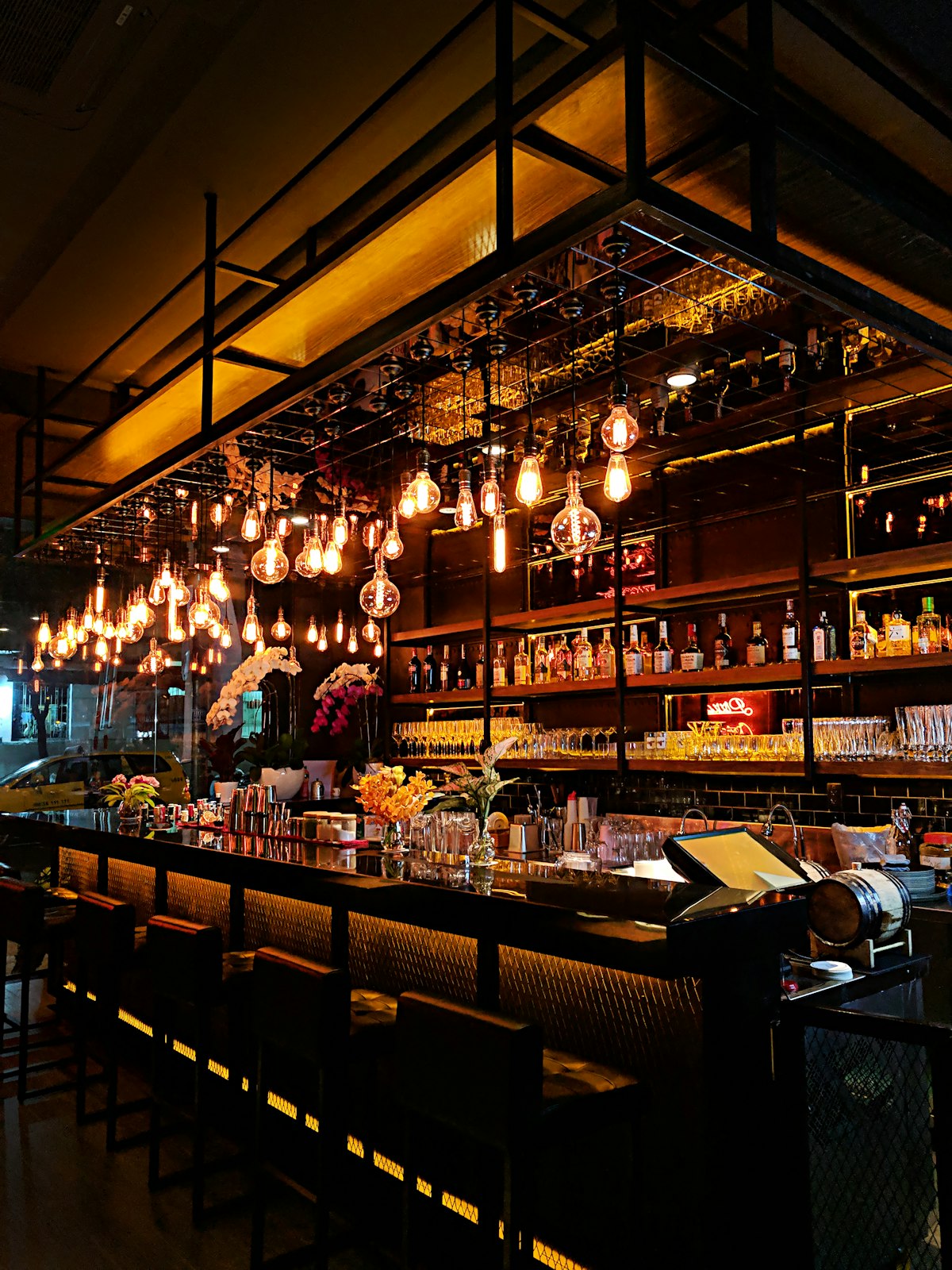
Baobab Fare did not enter Detroit's restaurant scene with a marketing campaign. It entered with a story. Founded by a family with roots in Burundi and a journey through refugee camps before arriving in Detroit, the East African restaurant in the New Center neighborhood built its brand on welcome, community, and food that carries a personal and cultural narrative. In a city with no shortage of celebrated restaurants, Baobab Fare stands out not because it shouts the loudest, but because its brand is inseparable from the people who built it. For Detroit marketers, Baobab Fare is a case study in how founder storytelling, cultural specificity, and a genuinely welcoming space create a brand that customers feel before they taste a single dish.
Key Takeaways
- 01Baobab Fare's brand is built on a real founder story, not a manufactured marketing narrative.
- 02Cultural specificity — East African cuisine rooted in Burundi — makes the restaurant distinctive rather than generic.
- 03A welcoming physical space functions as a community hub, deepening loyalty beyond the meal.
- 04Founder visibility and personal storytelling create emotional connection that advertising cannot buy.
- 05Community-rooted marketing builds a customer base that advocates for the brand organically.
A Brand Built on a Real Story
The most powerful brand asset Baobab Fare has is its founders' actual story. The journey from Burundi to Detroit, through displacement and rebuilding, is not a marketing device — it is the foundation of everything the restaurant is. When customers learn this story, the food, the space, and the welcome all take on a deeper meaning. This is storytelling as brand infrastructure.
The lesson is that a genuine founder story, told consistently and without exaggeration, creates an emotional connection that no advertising budget can manufacture. This is the same founder-led authenticity that defines Detroit's most trusted brands, a strength House of Karma helps businesses articulate into a coherent brand platform.
Cultural Specificity as a Differentiator
Detroit's restaurant scene is competitive, but Baobab Fare does not try to appeal to everyone. It serves East African food rooted in a specific culture and a specific family's experience. This specificity is its strength. In a market full of broadly positioned restaurants, a concept with a clear cultural point of view stands out precisely because it is not trying to be everything to everyone.
This mirrors a broader marketing truth: specificity outperforms generality. A restaurant that is unambiguously itself attracts a loyal audience that broad, middle-of-the-road concepts cannot. It is the same principle that guides Karma by Design collections — distinctive, culturally rooted work builds a more committed audience than work designed to offend no one.
“A brand that tries to appeal to everyone appeals to no one. A brand that is unambiguously itself attracts the people who were always looking for it.”
The Space as a Community Hub
Baobab Fare's physical space is designed to welcome — bright, open, and oriented around the idea that the restaurant is a gathering place, not just a place to eat. This transforms the restaurant from a transaction into a community hub, and a community hub generates repeat visits, word-of-mouth, and organic advocacy in a way a purely transactional restaurant cannot.
For marketers, the insight is that physical space is a brand asset. When a space is designed around welcome and gathering, every visit reinforces the brand's values. The space does marketing work that no campaign can replicate.
Founder Visibility and Organic Advocacy
Baobab Fare's founders are visible — in the restaurant, in the community, and in the story the brand tells. This visibility creates trust. Customers who feel they know the people behind a business become advocates, not just patrons. They tell their friends, bring their families, and return repeatedly because the relationship feels personal.
This is organic advocacy, the most valuable form of marketing because it is unpaid, authentic, and self-sustaining. It is built not through campaigns but through consistent presence and genuine connection. It is the same community-first approach that defines Detroit's most beloved neighborhood brands.
What Marketers Can Learn from Baobab Fare
First, build your brand on a real story, not a manufactured one — authenticity is the one asset competitors cannot copy. Second, be culturally specific rather than broadly appealing; specificity attracts a loyal audience that generality cannot. Third, design your physical space as a community hub, not just a transaction point. Fourth, make your founders visible; personal connection generates organic advocacy that outperforms paid marketing.
Baobab Fare proves that a restaurant brand does not need a large marketing budget to build a devoted following. It needs a real story, a clear cultural point of view, a welcoming space, and founders who show up. These are assets that compound — the longer a business invests in them, the stronger the brand becomes.
“The most valuable marketing is unpaid, authentic, and self-sustaining. It is built on a real story and a genuine welcome.”
The Bottom Line
Baobab Fare is a brand built on the things marketing cannot fake: a real founder story, cultural specificity, a welcoming space, and genuine community presence. By leaning into all four, the East African restaurant built one of Detroit's most distinctive and beloved brands without a conventional marketing campaign. For Detroit businesses, the lesson is that the most durable brands are rooted in authenticity — a story worth telling, a point of view worth committing to, a space worth gathering in, and founders worth knowing. Baobab Fare did not outspend anyone. It out-welcomed them.
Sources & References
- [1]Baobab Fare — Official Site
Official site with menu, story, catering, and location information.
- [2]Baobab Fare — Instagram
Official Instagram documenting food, community, and restaurant life.
- [3]Eater Detroit: Baobab Fare
Independent restaurant coverage and reviews.